Rwanda Mongolia women politics is what I studied last week at the World Women Parliamentarians Forum following women’s political power across three continents. And one lesson kept coming back to me.
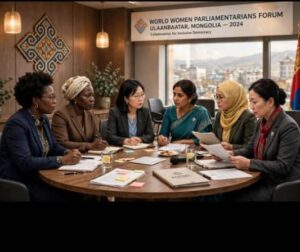
On Monday, we were in Mongolia.
At the World Women Parliamentarians Forum in Ulaanbaatar, women from Uganda and Kenya said something that stayed with me: representation is not enough.
Uganda has 35% women in parliament and 49% in cabinet. But they are now fighting for something harder — influence over the budget. As Kenya’s Leah Sankaire told the forum, https://nilepost.co.ug/news/286135/tayebwa-highlights-womens-representation when women chair finance committees, gender-sensitive budgets become reality.
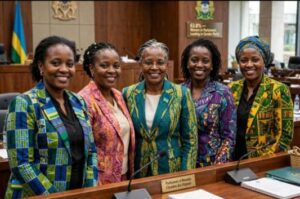
On Wednesday, we went to Rwanda.
The latest UN Women Map https://www.unwomen.org/en/digital-library/publications/2026/03/women-in-politics-map- shows Rwanda still leads the world with 63.8% women in parliament. Namibia and Seychelles have achieved 50% parity in cabinet. This is why Rwanda Mongolia women politics keeps coming up in global talks.
Meanwhile, my own country Nigeria has less than 5% women in the National Assembly.
I will be honest — the gap between Rwanda and Nigeria kept me up at night.
On Friday, we counted.
From Spain to Australia to Namibia, women now lead ministries. But eight countries in the world still have zero women ministers. Zero.
So what ties Mongolia, Rwanda and Spain together?
So what does Rwanda Mongolia women politics mean for Anambra? One word: Political will.
None of those countries waited for women to “prove themselves.” They wrote quotas into constitutions. They funded women candidates. They reserved committee chairs for women.
They understood what we preach here — where women’s power meets real life.
In Anambra, I watch women who manage millions in Onitsha Main Market, who fund their children’s education, who keep communities alive during crises, being told they are not qualified to manage a ministry.
This week taught me something clear:
Women are qualified. The system is not.
Next week, I am bringing this conversation home. I will share the voices of Anambra women who want to run but face the real barriers — money, party tickets, and culture.
If you are one of them, my DM is open. I am listening.
— Sylvia
—
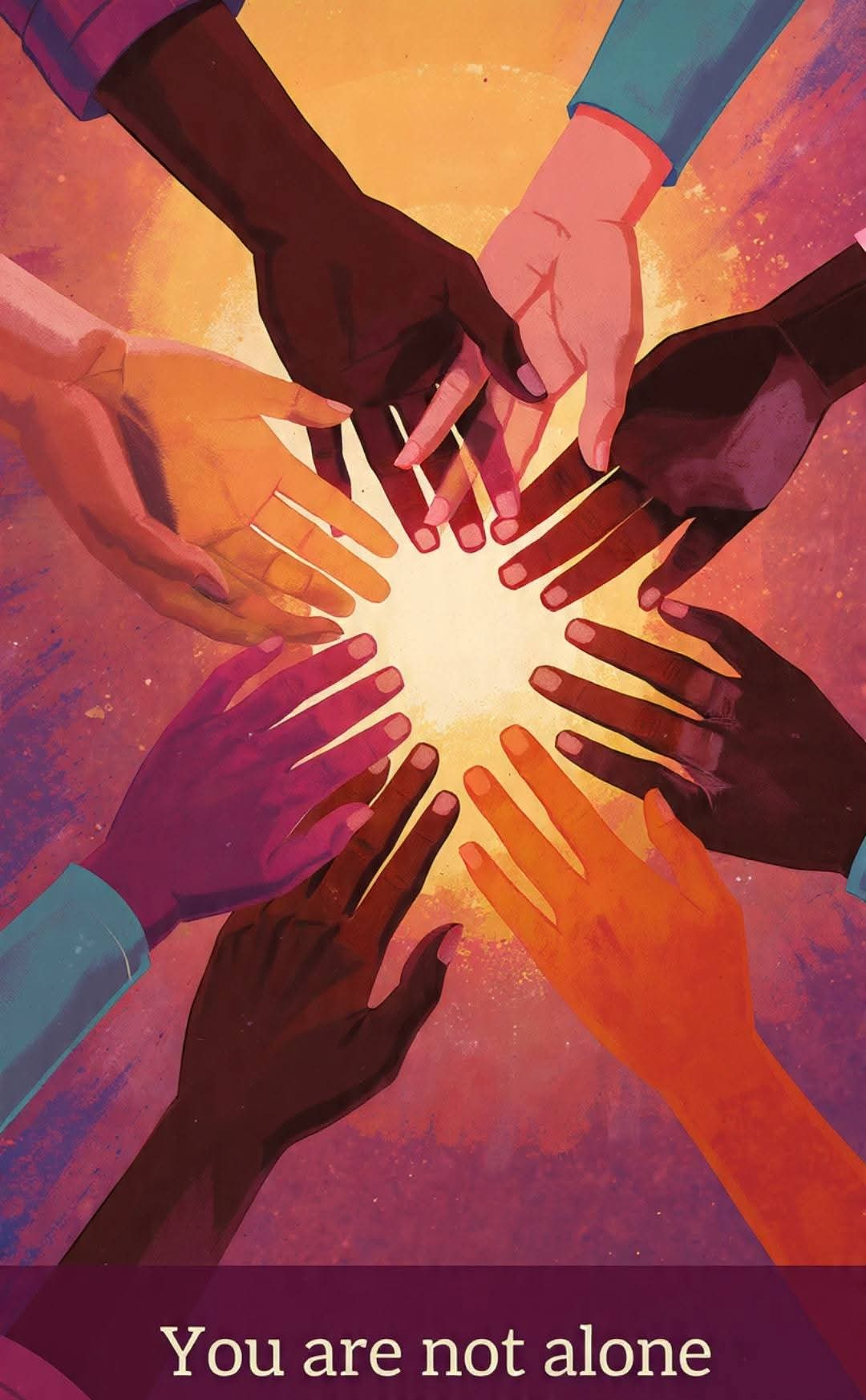
Photo 1 (Mongolia):
Source: Original illustration for sylviangige.com / World Women Parliamentarians Forum Mongolia 2024`
Photo 2 (Rwanda):
Source: Original illustration for sylviangige.com / Rwanda Parliament gender parity concept