Ada Igbo Is Not for Sacrifice
Our daughters are not ritual offerings. Families across Igboland are mourning again, and we must say it clearly: Ada Igbo is for celebration, not sacrifice.

By Sylvia Tochukwu-Ngige
Ada Igbo is not for sacrifice. Every few weeks, another family in Igboland receives the phone call no parent ever wants to receive. A mother in Ihiala, a father in Orlu or an auntie in Nsukka is asked to identify the body of a young woman who left home for school, the market or a meeting with a friend but never returned.
She is 16, 19 or 22. She had dreams, ambitions and a future ahead of her. Now, instead of preparing for graduation, marriage, a career or a better life, her family is preparing for her burial. We are losing too many of our daughters, and the frightening reality is that society appears to be getting used to the news.
We say ritual killing, Yahoo Plus or money sacrifice. But behind these expressions is a terrible human tragedy: somebody deliberately took another person’s life for greed, money or imagined spiritual power.
What Exactly Is Happening to Our

Across communities in the Southeast, reports of missing girls, suspicious deaths and suspected ritual-related killings have raised serious concerns. Certain patterns deserve urgent attention.
Vulnerable young women, particularly students, apprentices and struggling traders, may be approached with promises of employment, modelling opportunities, romantic relationships, financial assistance or quick money. Some are invited to private meetings and taken to hotels, secluded houses or unfamiliar locations where they may become vulnerable to exploitation.
When they disappear, their families begin desperate searches, phone calls go unanswered and communities are left with unanswered questions. Not every missing-person case is connected to ritual killing, and every allegation must be properly investigated. However, no disappearance or suspicious death should be dismissed, ignored or allowed to disappear into bureaucratic delays.
This Is Not Igbo Culture
Let us establish one important truth: this is not Igbo culture. Igbo tradition does not celebrate the killing of daughters. In our communities, a daughter is an Ada, a cherished member of her family whose identity, contributions and place in the community are deeply respected.
Our daughters are not disposable human beings, ritual objects or instruments for acquiring wealth. What we are witnessing is a dangerous distortion of values, fuelled by greed, criminality and an unhealthy obsession with material success.
When young men begin to believe that expensive cars, designer clothes, flashy lifestyles and overnight riches are more important than human life, something fundamental has gone wrong. We cannot continue to blame tradition for crimes committed by individuals who have abandoned the very values that should guide our society.
Stop Blaming the Victims
Equally disturbing is the way victims are treated after their deaths. Their photographs are circulated without permission, private conversations are published and personal details become entertainment on social media. Instead of demanding answers from suspected perpetrators, people begin interrogating the victims.
What was she wearing? Where was she going? Why did she accept the invitation? Was she collecting money from the man? These questions shift attention away from the crime and towards the person whose life has been taken.
No young woman deserves to die because she needed financial assistance, trusted somebody or hoped for a better life. When we blame victims, we indirectly excuse perpetrators. When we circulate degrading images of murdered women for likes and engagement, we take away their dignity even after death. Our daughters deserve compassion, justice and respect, not public humiliation.
The Fight Must Begin in Our Homes
Parents must speak to their sons as seriously as they speak to their daughters. We must teach boys that women are human beings deserving of dignity, not commodities to be exploited or sacrificed for wealth. A woman’s body is not a ritual item, and her life is not a price to be paid for anybody’s prosperity.
Our daughters must also receive practical safety education. They should understand the dangers of secretive arrangements, suspicious financial offers and invitations to unfamiliar locations. They should feel comfortable informing trusted relatives about where they are going and seeking help when something feels wrong.
However, safety education must never become victim-blaming. The responsibility for violence belongs to the person who commits it, not the woman who becomes its victim.
Communities Must Stop Protecting Criminals
Traditional rulers, town unions, Umunna, Umuada, churches and youth organisations have important responsibilities. Serious crimes must never be treated as private family disagreements. No murder should be settled through a family meeting, traditional negotiations or financial compensation. No suspected perpetrator should be shielded because of wealth, political influence or family connections.
Community leaders must encourage families to report suspicious deaths, cooperate with security agencies and protect witnesses. We must also challenge the dangerous celebration of unexplained wealth. When communities honour individuals whose sources of income are questionable simply because they display expensive possessions, they send the wrong message to impressionable young people. Success must be measured by honest achievement, not the ability to spend money without explaining where it came from.

Government Must Do More Than Issue Statements
Government and security agencies must move beyond public statements after another tragedy has occurred. Families need responsive institutions that treat missing-person reports with urgency. There should be effective missing-person response mechanisms, accessible reporting channels and properly coordinated investigations.
Police officers must be equipped to preserve evidence, investigate suspicious deaths and pursue credible leads without unnecessary delays. Forensic capacity must be strengthened so that evidence from crime scenes, hotels and other locations is not lost or contaminated.
Government must also invest in youth employment, vocational training, public enlightenment and programmes that promote responsible behaviour. Poverty does not cause murder, and unemployment does not excuse criminality. Nevertheless, a society that glorifies unexplained riches while neglecting moral education creates an environment in which dangerous individuals can manipulate the desperation and aspirations of young people.
To Every Young Woman Reading This
Your life is worth more than an iPhone, expensive hair, designer clothes, rent assistance or any amount of money somebody promises you. Do not allow desperation to silence your instincts. Be cautious about offers that demand secrecy, rush decisions or require you to meet strangers in isolated places.
Inform someone you trust about unfamiliar meetings, share your location when appropriate and leave situations that make you uncomfortable. If somebody genuinely wants to help you, there should be no need to put your safety at risk.
But let us repeat this important message: no woman is responsible for another person’s decision to harm her. Our daughters have the right to pursue opportunities, relationships, education and financial independence without living in fear of being exploited or murdered.
I mourn with every family in Igboland that has had to bury a daughter who should have been preparing for graduation, completing an apprenticeship, building a career or pursuing her dreams. Behind every reported tragedy is a family whose world has been shattered, parents with unanswered questions and siblings who must learn to live with an absence that can never be filled.
We cannot continue to post RIP, express outrage for a few days and move on until another family receives that dreadful phone call. We must demand investigations, challenge harmful attitudes, reject the glorification of unexplained wealth and insist that perpetrators face the law, regardless of their status or connections.
The protection of our daughters must become a collective responsibility, not an occasional social media campaign. Ada Igbo is not for sacrifice. Ada Igbo is for celebration.
—–
If you or someone you know is missing: Report immediately to the nearest police station. Do not wait 24 hours. Share the person’s full name, photo, last location, and phone number with trusted family and community leaders.
For help and reporting: Visit the Nigeria Police Force website at https://npf.gov.ng to find the nearest police station and emergency contacts.
Read Also: https://sylviangige.com/2026/11/02/four-goats-and-the-right-to-begin-again-what-older-women-teach-us-about-recovery/
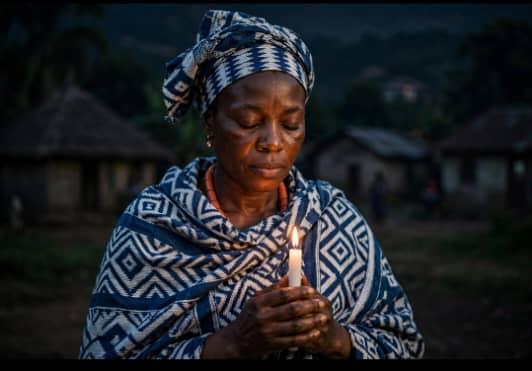
Image Source/Credit: AI generated for sylviangige.com