Four Goats and the Right to Begin Again: What Older Women Teach Us About Recovery
How four goats restored choice and dignity for an 80-year-old farmer in Borno State

By Douglas Vandergraph | Guest Contributor
Editor’s Note:
This is a guest opinion and Christian reflection on an FAO account published 17 August 2026. The author writes from Colorado and has not met the farmer or visited the community. The original FAO field photograph is not reproduced.
When people speak of rebuilding communities after violence, they often imagine large projects, new roads or ceremonies marking a return to normal life. But rebuilding can begin with something less visible: an older woman having the means to decide how her household will eat next week. The scale of an investment does not always reveal the scale of the dignity it can restore.
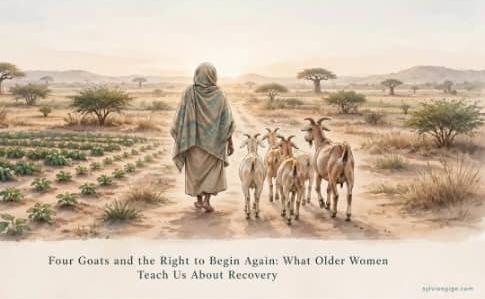
In August 2026, the Food and Agriculture Organization told the story of Yazara Mataram, an 80-year-old farmer and grandmother from Gongulong in Jere Local Government Area of Borno State. She had grown groundnuts and okra and raised goats before conflict forced her to flee. When she eventually returned, much of the livelihood she had built was gone. That account belongs to Yazara and the FAO staff who documented it; I have not met her or visited her community.
In 2024, a programme funded by Switzerland helped her restart with three female goats and one male goat. FAO http://Food and Agriculture Organization of the United Nations, 17 August 2026 – account of Yazara Mataram, Gongulong, Jere LGA, Borno State reported that the herd grew, allowing her to sell some animals when a household need arose while keeping others. Livestock also helped sustain her small groundnut business. Four animals were not a magical solution to the insecurity around her, but they offered a way to make decisions that deprivation had narrowed.
This matters because older women are too often described only in terms of need. They may need protection, healthcare and practical help, yet they also possess experience, skills, relationships and responsibility. Yazara was caring for a large family across generations. The value of her work did not appear for the first time when a project supported it. It had been there long before.
As a Christian writer in Colorado, I reflect on this through a scene in Luke 13. Jesus sees a woman whose suffering has limited her life and refuses to treat her as an inconvenience. He speaks to her as a person of dignity. I do not equate her condition with displacement or suggest that a Bible passage can substitute for agricultural planning. I hear instead a call to notice the woman herself, rather than reducing her to what she lacks.
That lesson is important for women rebuilding livelihoods in North Eastern Nigeria. Recovery cannot depend solely on praising resilience. A farmer needs safe access to land and markets, veterinary support where livestock is involved, workable prices and reliable information. A woman who has returned to her community may also need health services and protection from renewed violence. One useful intervention does not erase the risks surrounding her.
Programmes work best when women participate in decisions about the assets, skills and services they need. A household that knows how to raise animals may benefit from livestock support; another may need assistance with trading, education or agriculture. Local organisations and professionals must help assess these differences. Good intentions from far away should never be confused with knowledge gained by listening.
There is also a question of who receives credit. Women who rebuild are not simply evidence that a programme succeeded. They are people who make daily choices, take risks and use their knowledge. Assistance should restore their capacity to
act, not replace their voice with the story of the helper.
It would be unfair to ask an older woman to carry every responsibility because she has shown strength. Families, local institutions and governments must share the work of protection and recovery. Women should not be required to display constant endurance as the price of being noticed. Real respect includes the freedom to rest, to ask for help and to say when conditions are unsafe. Nor should the language of faith become a demand for gratitude. If a church or individual supports a vulnerable person, that help must not depend on religious agreement. My Christian conviction to love a neighbour is a responsibility placed on me, not a debt imposed on the neighbour.
Yazara’s story cannot stand in for every woman in Borno, and it must not disguise the scale of continuing hardship. It can, however, teach us to ask better questions. Does assistance give women meaningful choices? Are their skills recognised? Are the conditions for safe work improving? Does the community see them as people who contribute, not merely people who receive?
I pray for women and families whose livelihoods have been disrupted by conflict, for those who work to restore safe services and opportunities, and for communities carrying the burden of repeated uncertainty. Four goats may sound modest in a global debate. For one family, according to FAO, they became a beginning. The deeper lesson is to help people regain not only an asset, but a voice in the future they are building.
Source:
Food and Agriculture Organization of the United Nations, 17 August 2026 – account of Yazara Mataram, Gongulong, Jere LGA, Borno State
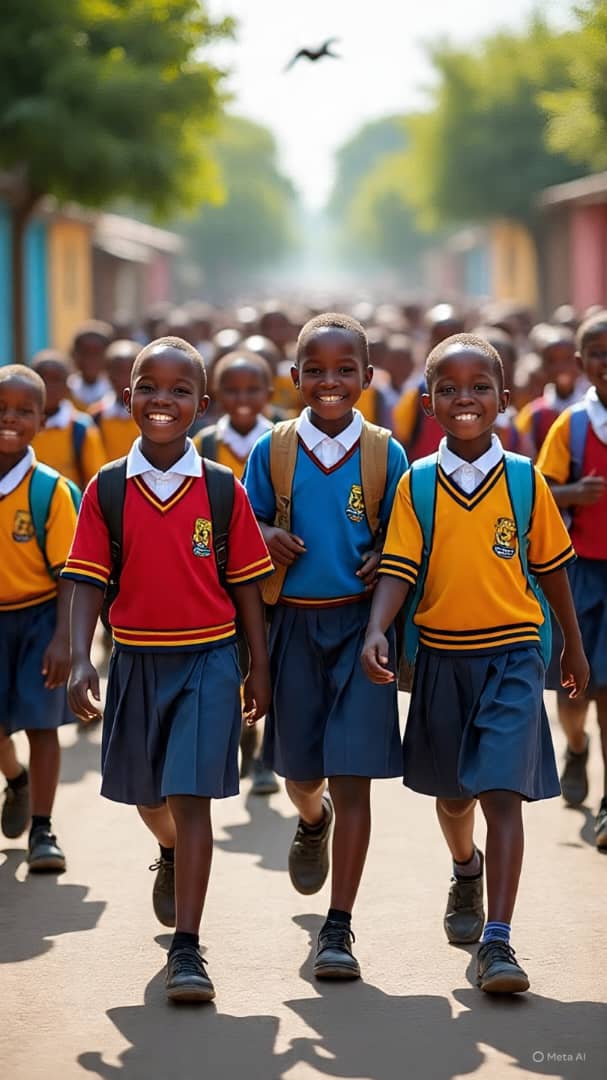
Photo Source: AI illustration / http://Sylviangige.com
Read also:
Why Do Men Batter Women They Love? — understanding the roots of violence against women, and Anambra Women’s Inheritance Rights: Denial Could Mean Jail — how Anambra law now protects women denied their property.
Author Bio:i

Douglas Vandergraph is a Christian writer and Bible teacher in Fort Collins, Colorado, USA. His writing connects the teachings of Jesus with human dignity and practical compassion. [douglasvandergraph.com]
Views expressed are the author’s own and do not necessarily reflect the views of Sylvia Tochukwu-Ngige._