


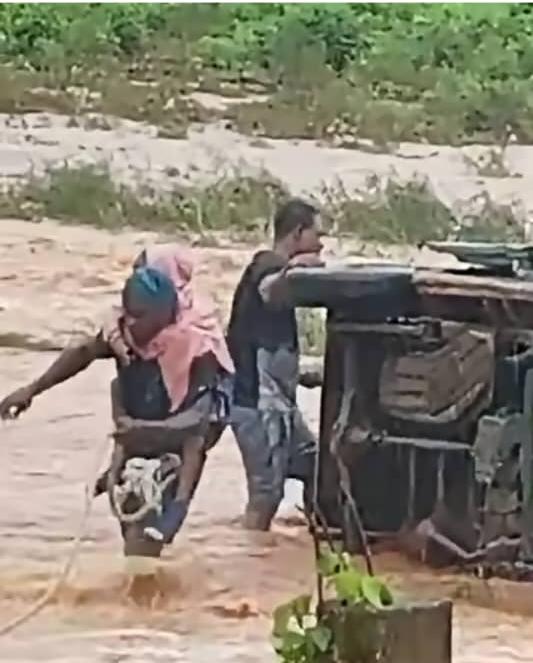
Heavy rain turned roads into rivers on September 22, exposing blocked drains, weak urban planning, and risks facing schoolchildren in Awka.
—
By Sylvia Tochukwu-Ngige | http://sylviangige.com
Awka, Anambra State – September 23, 2026
Awka woke up on Tuesday, September 22, to a frightening reminder: rain can turn from a blessing to a threat in minutes.
After hours of heavy downpour, parts of the Anambra State capital were submerged. Motorists were stranded, residents were anxious, and schoolchildren were trapped in rising wa
The most disturbing incident occurred along the Nibo-Isiagu/Ring Road axis, where a school bus conveying children to school was caught in flash floods.

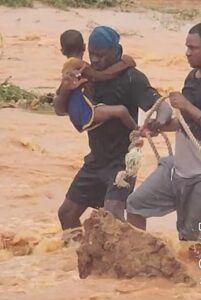
Emergency responders and community members rushed to the scene. According to the Anambra State Government, six children and a driver were rescued in the initial operation. Police later confirmed that seven children and two adults were rescued. One pupil remained missing as search operations continued.
The missing child was found the following day. All rescued children were taken for medical attention.
For parents, this was not just another rainy-season story. It was a terrifying reminder of how quickly an ordinary school run can become life-threatening.
When Roads Become Rivers
The flooding disrupted movement across affected parts of Awka. Videos from the scene showed vehicles struggling through waist-deep water and residents wading to safety.
A building was also reported to have collapsed at Aguoye Village following the downpour.
This incident comes barely two weeks after a deadly flood in Awka South, where a tricycle operator reportedly died while trying to rescue a woman trapped in floodwater. The woman was also reported missing.
These are not isolated events. They point to a recurring urban crisis that demands a coordinated response.
The Real Cost
Every flood carries a bill:
For traders, damaged goods. For motorists, damaged vehicles and lost hours. For families, destroyed property. For schools, disrupted learning and traumatized children. And, most painfully, the loss of life.

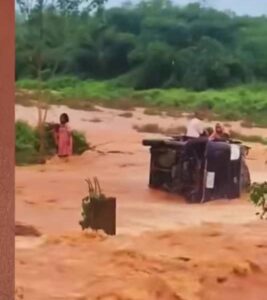
When floodwater rises around schools, markets, and busy roads, the risk is no longer just about infrastructure. It is about safety.
Why Does Awka Keep Flooding?
Heavy rainfall is a trigger, but it is not the sole cause.
Blocked drainage channels, inadequate capacity, poor maintenance, indiscriminate refuse dumping, and construction that obstructs natural waterways all worsen flooding.
State emergency officials have previously identified blocked drains and poorly terminated waterways as major contributors.
A 2026 flood-risk report also identified Awka’s urban drainage corridors as highly vulnerable. Rescue cannot be the first plan. It must be the last line of defence.
What Must Be Done: 7 Urgent Steps
1. Map flood hotspots: Government agencies should publish a detailed, updated flood-risk map for roads, schools, and markets to guide emergency planning and development approvals.
2. Audit drainage systems: Conduct a technical audit to identify undersized channels, blocked waterways, and missing culverts. Expand capacity where needed.
3. Clear drains before the rain: Drainage cleaning must be routine, not reactive — especially before and during peak rainy season.
4. Protect schoolchildren: Schools in flood-prone corridors need emergency plans. Buses must not enter flooded roads. Parents need real-time alerts when routes are unsafe.
5. Create early warning systems: Combine weather forecasts, rainfall monitoring, community WhatsApp groups, radio, and social media alerts to warn residents before roads become dangerous.
6. Enforce planning laws: Stop construction that blocks natural drainage paths. Development approval must be backed by enforcement.
7. Strengthen community response: Train neighbourhood emergency teams to report rising water and assist with early evacuation — without risking lives in fast-moving water.
The swift response by emergency agencies saved lives on Tuesday. But effective flood management begins long before the rain falls.
The Anambra State Government has urged residents to take flood warnings seriously, avoid movement during heavy rainfall, and relocate from flood-prone areas.
Residents also have a role: Do not dump refuse into drains. Do not drive into floodwater. Do not allow children near flooded channels. When authorities issue a warning, take it seriously.
Sylvia’s Take
Awka cannot afford to normalise flooding.
When children are trapped in school buses and roads become rivers, the question is no longer who to blame. It is: what will we do differently before the next storm?
Awka is growing rapidly. Its infrastructure must grow with it. The city needs drainage designed for today’s realities, strict development control, cleaner waterways, better emergency communication, and citizens who understand that keeping drains free is a shared responsibility.
September 22 delivered another warning. The wise response is not to wait for the next one.


Sylvia Tochukwu-Ngige is a journalist based in Awka, Anambra State, focused on women, governance, and community development. She is the founder of http://SylviaNgige.com and a member of the Nigeria Union of Journalists (NUJ), Anambra State Council.